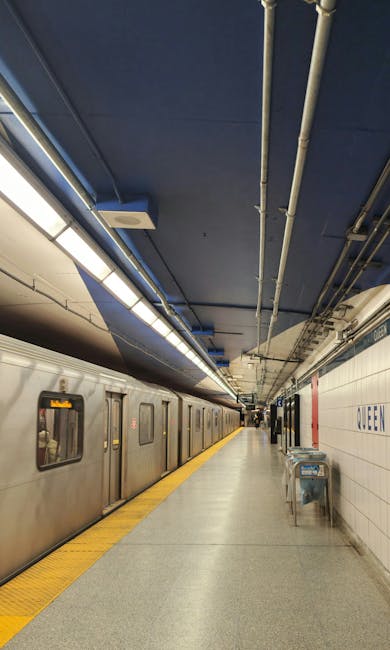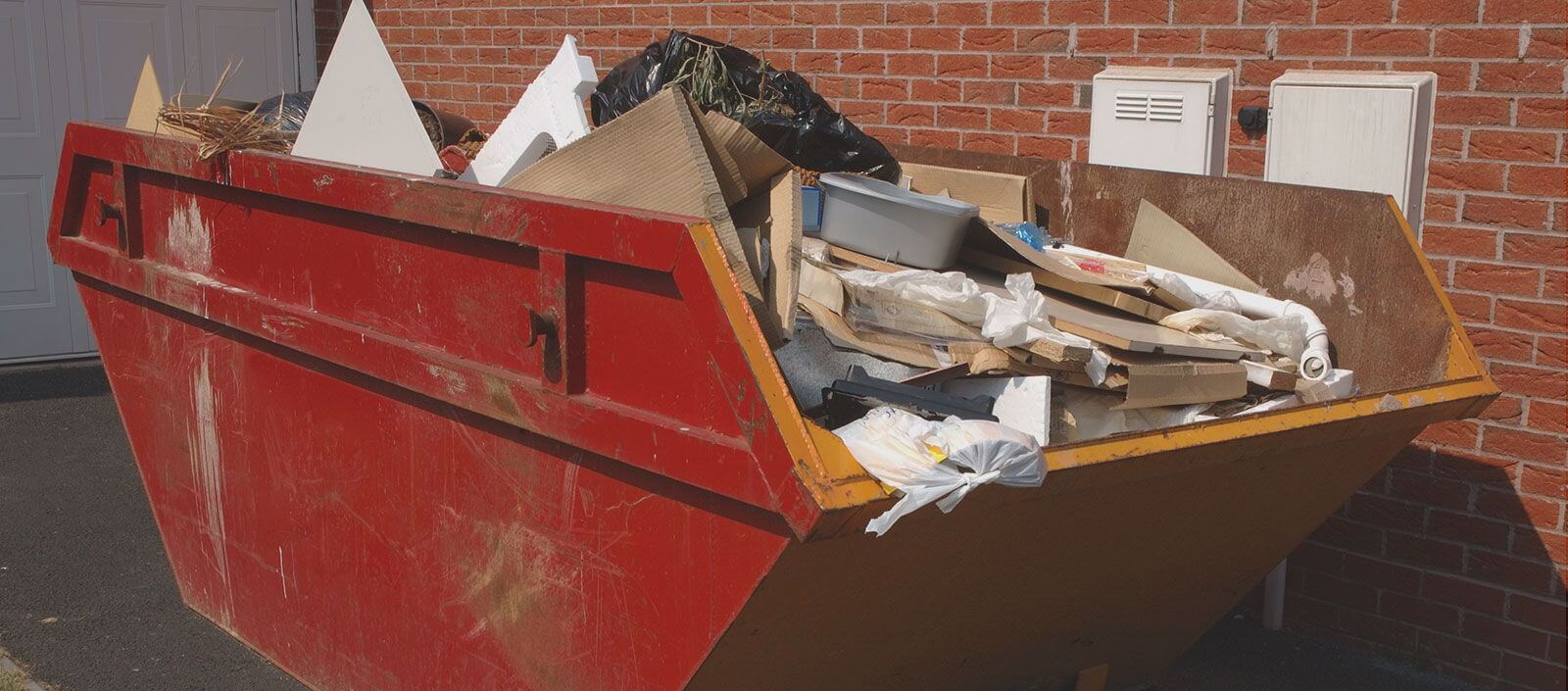
Queens Park station waste removal vehicle access tips
Posted on 04/09/2026
If you are planning a rubbish collection, house clearance, or builder's waste pickup near Queens Park station, vehicle access can make or break the job. A van that can stop cleanly, load quickly, and move off without hassle saves time, reduces stress, and lowers the chance of awkward surprises. In a place like Queens Park, where residential streets, station traffic, parked cars, and narrow approaches can all get in the way, good planning matters more than people think. These Queens Park station waste removal vehicle access tips will help you avoid delays, protect your property, and keep the collection straightforward from start to finish.
Whether you are clearing a flat, managing a shop load-out, or booking a larger clearance, the same basic question comes up: how do you get the vehicle in, loaded, and out safely? Let's walk through the practical side of it, without the fluff.
Why Queens Park station waste removal vehicle access tips Matters
At first glance, access sounds like a simple logistics detail. In reality, it affects almost everything: how long the job takes, whether waste can be loaded safely, whether neighbours are disturbed, and whether the crew needs extra hands or a second visit. Around Queens Park station, these small details can snowball quickly if nobody has thought them through.
Typical access issues include tight turning space, busy road edges, low tolerance for double parking, and properties with awkward front steps or shared entrances. If a van cannot get close enough, staff may need to carry bags, furniture, or mixed waste over a longer distance. That sounds manageable until you are dealing with heavy items, wet weather, or a third-floor flat with a narrow stairwell. Truth be told, this is where many jobs become more expensive than people first expect.
Good access planning also helps with timing. In busy parts of north-west London, a collection window that works at 9:30 can become a headache at 11:00 if the road fills up. So the aim is not just "can a vehicle get there?" but "can it get there safely, load efficiently, and leave without creating a mess?" That is the real question.
If you are trying to understand the wider context of the area before arranging a removal, it may also help to read about Queens Park as a place to settle or take a broader look at Queens Park's local character and green spaces. They give useful background on the neighbourhood and the way local streets tend to function day to day.
How Queens Park station waste removal vehicle access tips Works
Vehicle access planning usually starts before the van arrives. The best jobs are the ones where the route, parking position, loading point, and item size are all checked in advance. A simple call or message with clear details can prevent a lot of awkwardness later on.
Here is the basic process:
- Assess the street and frontage. Is there room to stop briefly? Is the road one-way? Are there parked cars most of the day?
- Check the path from vehicle to property. Even a short carry can become difficult if there are stairs, garden gates, or shared hallways.
- Match the vehicle to the job. A small van may suit a few bulky items, while a larger clearance might need a bigger load space or several trips.
- Plan the loading sequence. Heavy or awkward items should usually come out first, so the crew is not trapped reshuffling items later.
- Confirm any restrictions. Some streets or forecourts are less forgiving than they look. A low wall, tight bend, or parked delivery van can change the plan in seconds.
This is also where service choice matters. For example, a simple bag collection is very different from a full house clearance in Queens Park, and a commercial load-out needs a different approach again. The vehicle access question stays the same, but the answer changes depending on the volume, item type, and time available.
In practical terms, access planning is part communication, part common sense, and part local knowledge. You do not need perfect conditions. You just need enough clarity to avoid a bottleneck.
Key Benefits and Practical Advantages
Once access is sorted properly, the benefits show up fast. The job feels calmer, the collection usually runs quicker, and the risk of damage drops. That may sound obvious, but on a tight street near a station, it makes a real difference.
- Faster loading: If the vehicle can park close, the team spends less time walking back and forth.
- Less disruption: Shorter loading windows mean less noise, less time with doors open, and fewer awkward moments for neighbours.
- Safer handling: Heavy or sharp items are easier to move when the carry distance is short and clear.
- Better value: Efficient access can reduce labour time and help avoid complications that lead to extra charges.
- Lower risk of damage: Fewer turns, fewer lifts, and fewer long carries mean less chance of scratching floors, walls, or bannisters.
There is also a less obvious advantage: clearer expectations. Once the access route is understood, you can choose the right service and remove guesswork. If the job is mostly furniture, a furniture removal service in Queens Park may be the right fit. If it is mixed junk and bagged rubbish, a more general collection may suit better. Either way, planning helps you avoid paying for a bigger setup than you really need.
Expert summary: Near Queens Park station, the smartest access plan is usually the simplest one: know where the van will stop, know how far items must be carried, and keep the path clear before anyone arrives.
Who This Is For and When It Makes Sense
This topic is relevant to more people than you might expect. It is not just for landlords or large clearance jobs. In fact, the smaller the property, the more important vehicle access often becomes.
You will find these tips useful if you are:
- moving out of a flat near Queens Park station
- clearing a rental property between tenancies
- disposing of bulky household items
- managing builders' rubble after a refurbishment
- emptying a small office or retail unit
- dealing with garden waste from a rear access route
- booking a same-day or next-day collection where timing matters
It is especially sensible to think about access when the property sits on a busy stretch, has limited frontage, or shares access with other residents. A modest job can still become tricky if the van cannot get close. And yes, that includes those "it'll only take ten minutes" situations. Those are the ones that often don't.
If your job is business-related, a bit more planning may be needed. A quick read of the Salusbury Road shop rubbish removal guide can be helpful if you are coordinating waste from a local retail unit or small commercial premises.
Step-by-Step Guidance
If you want the collection to go smoothly, use a simple process. Nothing fancy. Just a few checks done in the right order.
- Map the vehicle stopping point. Decide where the van should legally and safely stop. Think about kerbs, driveways, and road width.
- Measure the carry route. Count steps, note gates, and look for obstacles like planters, bikes, bins, or low branches.
- Identify the heaviest items. Sofas, mattresses, appliances, and bagged rubble need more care than lightweight rubbish.
- Separate waste by type if possible. This helps loading, avoids confusion, and can make recycling easier later on.
- Clear the access path before collection. Move small obstacles in advance. Five minutes of prep can save twenty minutes of faffing about.
- Tell the team about timing risks. If there are school run hours, delivery windows, or neighbour restrictions, say so early.
- Confirm what happens if the vehicle cannot stop directly outside. A sensible provider should explain the fallback plan in plain English.
One useful habit is to stand at your front door and walk the route backwards, from the van position to the item. It sounds a bit odd, maybe, but it often reveals the snag before anyone turns up. A narrow corner or a bent gate latch can be the whole story.
If your collection includes heavy or awkward household goods, the process becomes even more important. A proper appliance disposal service or a more general domestic waste collection can help because the crew is already set up to handle lifting and loading with less fuss.
Expert Tips for Better Results
After dealing with enough removals, a few small patterns become obvious. The jobs that go well usually look boring from the outside. That is a compliment, by the way.
1. Treat the collection point like a working area. Even if it is only for twenty minutes, clear the space properly. If there is a bin store, shared hallway, or side passage, think about how people will pass through while the team is working.
2. Pick the right time of day. Mornings can be calmer on some Queens Park streets, while later slots may be easier for residents who need to get children out the door first. There is no perfect rule, but time of day matters more than people admit.
3. Avoid last-minute item reshuffling. If waste gets moved around after the vehicle arrives, loading slows down and the team has to rethink the sequence. Keep the pile stable and ready.
4. Keep fragile or valuable items separate. Sometimes clearances involve a mix of rubbish and things you still want to keep. Mark those items plainly. A label or even a quick verbal reminder works.
5. Ask about insurance and handling practices. Good providers should be able to explain how they approach safety and protection of property. For more context, it is worth reviewing the company's insurance and safety information so you know what standards to expect.
6. Build in a little slack. Roads, lifts, and neighbours do not always behave. If you are expecting a perfect, clockwork arrival, well, London may have other ideas.
7. Think about recycling from the start. It is easier to separate materials when the load is first assembled than when everything is already mixed in a pile. The recycling and sustainability approach can be part of the planning, not an afterthought.

Common Mistakes to Avoid
A lot of access problems are avoidable. The same mistakes show up again and again, and most of them are small enough to fix before the collection day.
- Assuming the vehicle can stop anywhere. Some streets look open until you account for parked cars, traffic, or loading restrictions.
- Underestimating the carry distance. Ten metres does not sound far until you are carrying a fridge or a broken wardrobe.
- Forgetting shared access rules. Communal entrances, private roads, and managed blocks may have their own expectations.
- Leaving items in separate rooms. Scattered waste slows loading and makes it harder to judge the job properly.
- Not mentioning stairs or basement access. These details can change the crew size and the time needed.
- Waiting until the last minute to book. If access is tight, a rushed booking can leave no room for alternatives.
One surprisingly common issue is the "we thought the rear alley would be fine" problem. Sometimes it is. Sometimes it very much is not. A quick photo or short description can save everyone a headache.
If the job is a larger property clearance, you may want to compare it with a dedicated loft clearance service or, for workplace waste, an office clearance option. Different spaces create different access problems, and the wrong assumption is what usually causes delays.
Tools, Resources and Recommendations
You do not need specialist kit to plan access well, but a few basic tools make things easier. Most of these are simple and practical rather than technical.
- Phone photos or a short video: Useful for showing the frontage, gate width, steps, or road position.
- Notebook or notes app: Jot down bin locations, parking restrictions, and any awkward corners.
- Simple tape measure: Handy if you are checking whether a sofa, appliance, or desk will fit through a gate or stairwell.
- Labels or marker tape: Good for separating keep items from remove items.
- Gloves and sturdy footwear: Sensible if you are moving items before the team arrives.
In terms of recommendations, the best one is plain: share accurate access information early. If you are unsure how to describe a route, a couple of photos usually say more than a paragraph ever will. That is especially useful near busy local spots such as Queens Park station, where a tiny detail can change how the van parks or how long loading takes.
You can also use the wider site information to check practical details before booking. The services overview is helpful if you are deciding between a one-off collection, a more involved clearance, or a recurring waste solution. For cost planning, the pricing and quotes page gives a sensible starting point.
Law, Compliance, Standards, or Best Practice
For waste removal, compliance is not just paperwork. It is about making sure waste is handled responsibly, transported by a legitimate carrier, and dealt with in a way that fits accepted UK standards and local expectations.
A few best-practice points are worth keeping in mind:
- Use a waste carrier that can demonstrate compliance. This helps reduce the risk of fly-tipping or poorly handled waste.
- Keep access arrangements safe and lawful. Do not block entrances, fire routes, or emergency access points while waiting for collection.
- Be careful with manual handling. Heavy lifting should be planned, not improvised.
- Respect neighbours and shared spaces. In residential streets, quiet loading and tidy staging go a long way.
- Separate special items where necessary. Some materials need extra care, and not every item should be mixed in with general waste.
It is also sensible to check the company's published compliance information. The waste carrier licence and compliance information is a useful reference point if you want reassurance that the basics are being handled properly. For businesses, having a clear paper trail matters too, especially where multiple properties or repeat collections are involved.
On a practical level, best practice means planning access so the vehicle does not need to idle unnecessarily, reverse awkwardly, or block the road longer than needed. Simple, but important.
Options, Methods, or Comparison Table
There is more than one way to manage access near Queens Park station. The right option depends on the size of the load, the layout of the property, and how much time you have.
| Method | Best for | Pros | Possible drawbacks |
|---|---|---|---|
| Van stops directly outside | Quick collections, bagged waste, small furniture | Fast loading, short carry distance, less disruption | Dependent on parking and road space |
| Short carry from nearby legal stop | Busy streets, shared frontages, limited kerb space | Flexible and often realistic in tighter areas | More labour, slightly slower loading |
| Pre-arranged staged loading from inside or rear access | Flats, gardens, rear alleys, managed buildings | Good for organised clearances and hidden access points | Requires better preparation and communication |
| Multiple trips or larger vehicle | Bulkier clearances, mixed waste, larger projects | Handles more volume in one go | Needs more space and stronger planning |
To be fair, the best option is not always the most convenient one. It is the one that reduces risk and keeps the job moving. A slightly longer carry from a sensible stopping point can be better than trying to force a van into a position where everyone is annoyed before the loading even starts.
Case Study or Real-World Example
Here is a simple real-world style example. A resident in a Queens Park flat needed a mix of old furniture, bagged rubbish, and a white goods item removed before a tenancy changeover. The first thought was to have the van stop right outside the building entrance. On paper, that sounded ideal. In practice, the road space was tight, and parked cars left too little room for a clean stop.
Instead, the collection was planned around a nearby safe stopping point with a short carry route. The resident moved smaller items into one staging area the evening before, kept the hallway clear, and flagged the fridge in advance. That meant the crew arrived already knowing what to expect, how to sequence the load, and where the awkward corners were. Nothing dramatic. Just a tidy, prepared handover.
The result was a smoother job and less stress all round. No one had to improvise in the rain, no one was squeezing past clutter, and the flat was left ready for the next stage. It's funny how often the simplest preparation makes the biggest difference. If you want a similar approach for mixed household waste, a dedicated furniture disposal service or broader waste removal service in Queens Park can usually be matched to the access conditions once you explain the layout clearly.
Practical Checklist
Use this quick checklist before collection day. It keeps things straightforward and avoids the classic last-minute scramble.
- Confirm the nearest legal and safe vehicle stopping point
- Check whether the street is narrow, busy, or usually parked up
- Measure gates, stairwells, and any tight internal turns
- Move bins, bikes, and loose obstacles out of the route
- Group waste in one staging area if possible
- Separate keep items from remove items
- Warn the team about stairs, basements, or rear access
- Share photos if the frontage or route is unusual
- Plan for weather, especially if the loading area is outdoors
- Make sure children, pets, and neighbours are clear of the working area
- Check whether any bulky items need special handling
- Keep the phone handy in case arrival timing shifts slightly
That last one matters more than people expect. A quick call can solve a problem before it becomes a delay.
Conclusion
Good Queens Park station waste removal vehicle access tips are really about reducing friction. If the crew can stop safely, reach the waste without obstacles, and load in a sensible order, the whole experience tends to feel easier, quicker, and more predictable. In a busy part of London, that predictability is worth a lot.
The best results usually come from clear communication, a bit of local awareness, and a simple plan that matches the actual property layout. Nothing overcomplicated. Just practical thinking applied early. And if you are working with a tight frontage, shared access, or a bulky load, a little preparation can save a lot of faff on the day.
Get a free quote today and see how much you can save.
If you are comparing services or trying to decide what kind of clearance you actually need, it may also help to browse the full services overview and choose the option that fits your property, access route, and waste type best. Small decision, big difference.