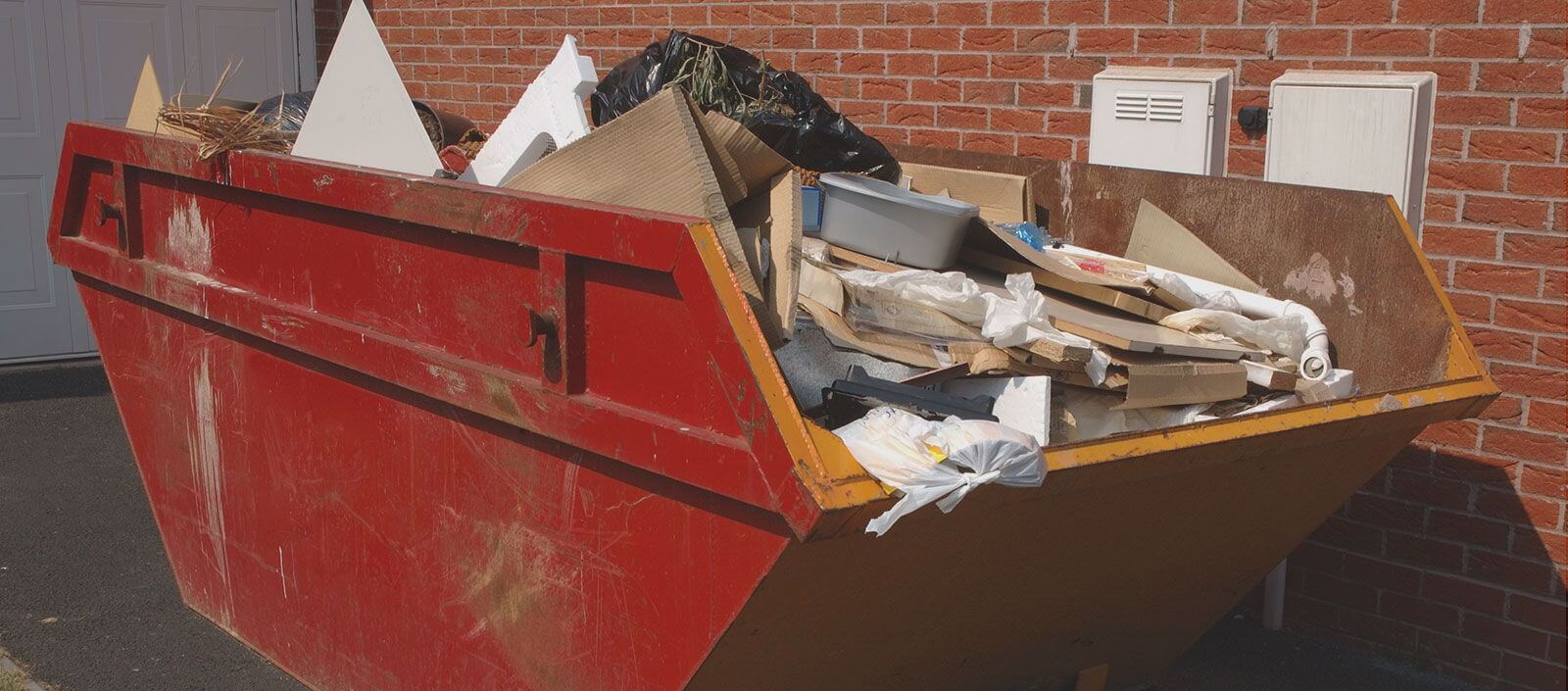
Waste Removal in Queen's Park
Waste Removal Queen's Park provides waste removal in Queen's Park for households, landlords, trades and businesses that need collected material taken away in a straightforward, organised way. The service covers a practical mix of domestic, garden, furniture, appliance, builder and commercial waste, with the work shaped around the type of load rather than a one-size-fits-all approach. If you need clear, local waste clearance support, this page sets out the main options and shows where to go next.
Different loads call for different handling. A single bulky item, a post-refurbishment pile of debris, or mixed office contents all raise separate questions about access, sorting and disposal. Our service pages explain those differences in plain terms, so you can choose the right route for a quicker enquiry. You can start by reviewing the services overview if you want a broad picture of the available options before deciding what to request.
When you are ready, ask for a quotation with the details that best describe the job and the items involved. If the collection is straightforward, that may be enough to move things along; if it is a mixed load, a more specific breakdown is usually more useful. For price-related questions, the prices page gives a useful place to begin.
Household and domestic waste removal
Domestic waste removal is the right fit when everyday household items need lifting, loading and disposal without the delay of doing it yourself. That can include general rubbish, bagged refuse, unwanted miscellaneous items, and the sort of accumulated material that often appears after a clear-out. For a more specific domestic job, the domestic waste collection page focuses on the practical side of home-based collections.
Household waste is not always limited to one category. Some customers need mixed removal from several rooms, while others are dealing with a single area such as a spare room, hallway or storage space. A sensible request includes what is to be removed, how it is stored, and whether anything needs separating before it is loaded. If the job centres on a property-wide emptying, the house clearance service may be a better match than a simple collection.
Where there are heavier items or awkward access points, the practical details matter. Upstairs flats, narrow staircases and shared entrances can affect how the work is organised, so it helps to describe the route as well as the waste itself. In many cases a brief list is enough: bags, boxes, furniture, appliances, or mixed household clutter. That makes it easier to match the load with the right collection method and to keep the quotation as accurate as possible.
Bulky items, furniture and appliance disposal
Bulky waste needs a different kind of planning from bagged rubbish because the items are larger, heavier and often harder to move safely. Furniture removal may involve sofas, wardrobes, beds, tables or chairs, while appliance disposal can include fridges, cookers, washing machines or smaller white goods. The relevant furniture removal page is useful if the main concern is large household furniture rather than general waste.
White goods and appliance disposal needs particular care because some items contain components that should be handled properly during collection and onward disposal. If you are clearing a kitchen, replacing a utility room setup or disposing of a broken item after a move, it helps to say exactly what is involved. The dedicated appliance disposal page is there for that narrower need, while the furniture disposal page suits items that are no longer wanted but still need careful removal.
A good quotation request for bulky items should mention quantity, room location and any dismantling already completed. If the item is too large for the normal route out, say so, because that changes the handling required. Clear descriptions save time and help make sure the right collection is arranged first time. For a broader check on how these jobs are treated, the about us page gives a general introduction to the business information available on site.
Garden, builders and site waste
Outdoor and works-related waste usually needs sorting by material and origin. Garden waste removal deals with cuttings, branches, soil in manageable quantities, turf, hedge trimmings and other green waste generated through maintenance or landscaping. For site-related jobs, builders waste disposal is more suited to rubble, timber offcuts, broken fixings and similar post-project debris. The garden waste removal page is the clear starting point for outdoor material.
Builder-related collections have their own considerations because waste from renovation or repair work is often mixed. Plaster, packaging, wood, metal, tiles and general debris may all appear together, so the loading plan depends on what has been left behind. The builders waste disposal page is more relevant when the job comes from decorating, refurbishment or light construction rather than domestic tidying. If the waste is more general and less specialised, the rubbish collection page gives another route.
Before asking for a quotation, it helps to note whether the load is green, inert, mixed or mostly packaging, because that affects how the waste is assessed. Access is also worth mentioning where the material is in a rear garden, a shed, or near a tight driveway or courtyard. If the material includes a range of sizes, a rough breakdown by category is usually better than a single broad description. That keeps the enquiry focused and helps the collection be organised around the real job.
About Queen's Park
Queen's Park is an area in northwest London associated with both the park of the same name and the surrounding residential streets that developed around it. The district sits near the boundary of several London boroughs, and its identity is shaped by a mix of Victorian and later housing, local shopping parades and transport links rather than by one single historic core. The park itself was laid out in the late nineteenth century and remains one of the area’s defining open spaces, giving the neighbourhood a central green focus in a densely built part of the city. The surrounding streets include terraces, mansion blocks and converted properties that reflect the gradual urban expansion of London across the Victorian and Edwardian periods. Queen's Park is also known for its railway station, which helped establish stronger connections with central London and neighbouring districts. The area has a lively local character, with cafés, independent shops and everyday community activity clustered around the main roads and nearby side streets. Its position close to other well-known parts of northwest London means it often shares social and commercial patterns with adjacent neighbourhoods, while still keeping a recognisable local identity. As with many inner London districts, the built environment shows layers of change: original housing stock, later infill, and refurbished properties sit alongside public spaces and neighbourhood amenities. The result is a place that feels urban but still retains a sense of scale and enclosure, especially around the park itself.
Commercial waste, office clearance and business loads
Commercial waste removal is useful where day-to-day trading leaves behind packaging, broken fixtures, paper waste or general items that are no longer needed. Offices, shops and small work premises often produce mixed material that should be removed without disrupting the workspace for longer than necessary. The commercial waste removal page is the most relevant place to look when the load comes from business activity.
Office clearance is a more complete task than routine rubbish collection because it may involve furniture, filing, electronics, shelving and assorted contents from work areas. The office clearance page suits projects where rooms or entire workspaces need emptying rather than just a few items being taken away. If you only need a standard clearance of mixed waste, the broader waste removal page gives a direct summary of the core service.
For businesses, the most helpful quotation details are usually the type of premises, the volume involved and whether anything must be carried through shared access points. If there are electronics, heavy desks or file storage units, mention those items plainly so the job can be assessed properly. The aim is to keep the process efficient while still giving enough detail for a sensible answer. Choose the service that best matches the load, rather than describing everything as general rubbish if it clearly is not.
How to arrange a quotation
A clear quotation request starts with the nature of the waste, followed by a sense of quantity and access. If you know whether the items are in a front room, loft, garden, basement or office floor, include that detail. If the job involves mixed material, a simple list is often more helpful than broad wording. You can also consult the pricing and quotes page for a general overview of how the enquiry process is presented on the site.
It is also useful to note anything that changes the handling of the job, such as dismantling, stacking, or the presence of unusually heavy pieces. When the work relates to a property move, a refurbishment or the end of a tenancy, stating the context can help separate one type of collection from another. If you want to check practical and financial arrangements together, the payment and security page provides another relevant reference point. Take a moment to describe the load clearly, then request a quotation in plain terms.
Ready to get started? Send your details and ask for a quotation today. If you need reassurance about handling, the insurance and safety page is available for further reading before you decide.
Useful information for responsible disposal
Waste removal is not only about taking items away; it is also about making sensible decisions about what can be separated, reused or treated as a distinct stream. Mixed loads are easier to assess when the main categories are clear from the beginning. That is why it helps to think in terms of household waste, bulky furniture, garden material, builder debris or business contents rather than assuming every collection is the same. The recycling and sustainability page offers site-specific context on this broader subject.
Some customers like to review the supporting information before sending an enquiry, especially where the collection involves appliance disposal, office items or a larger clean-up. Others simply want a straightforward route to booking the right service. Either approach is reasonable, but the most useful requests are always the ones that give enough practical detail to identify the load. A concise message that names the items, location and access can be more effective than a long explanation without specifics. If you prefer to see the full range of services again, the services overview is a good recap.
Final step: choose the nearest match, describe the waste honestly and request a quotation when you are ready. For a direct way to make contact, use the contact us page and send the details of the job in one clear message.